Using a predetermined overhead rate is advantageous to company planners because it helps them form strategies for the future. Using this calculation gives the best possible estimation of costs based on relatively comfortable overhead estimations. If a business uses an actual overhead cost, they would not be able to determine true costs until after the production has actually happened.
This activity base is often direct labor hours, direct labor costs, or machine hours. Once a company determines the overhead rate, it determines the overhead rate per unit and adds the overhead per unit cost to the direct material and direct labor costs for the product to find the total cost. Commonly used allocation bases are direct labor hours, direct labor dollars, machine hours, and direct materials cost incurred by the process. A predetermined overhead rate is used in a manufacturing company to allocate overhead costs to individual products or services. This information is used for cost accounting purposes, inventory valuation, and pricing decisions. This rate is typically expressed as a cost per unit of the allocation base (e.g., cost per direct labor hour).

Let’s say we want to calculate the overhead cost of a homemade candle ecommerce business. Further, overhead estimation is useful in incorporating seasonal variation and estimate the assets = liabilities + equity cost at the start of the project. However, there is a strong need to constantly update the production level depending on the seasonal fluctuations and the factor affecting the demand of the product.
It can help manufacturers know when to review their spending more closely, in order to protect their business’s profit margins. The period selected tends to be one year, and you can use direct labor costs, hours, machine hours or prime cost as the allocation base. Of course, management also has to price the product to cover the direct costs involved in the production, including direct labor, electricity, and raw materials.
This complexity is driven by different factors, including but not limited to common activity for multi-products and a greater number of supportive activities for the production. Company X and Company Y are competing to acquire a massive order as that will make them predetermined overhead rate much recognized in the market, and also, the project is lucrative for both of them. After going to its terms and conditions of the bidding, it stated the bid would be based on the overhead rate percentage. Therefore, the one with the lower shall be awarded the auction winner since this project would involve more overheads.
In larger companies, each department in which different production processes take place usually computes its own predetermined overhead rate. In other words, using the POHR formula gives a clearer picture of the profitability of a business and allows businesses to make more informed decisions when pricing their products or services. In this article, we will discuss the formula for predetermined overhead rate and how to calculate it. The predetermined overhead rate formula can be used to balance expenses with production costs and sales. For businesses in manufacturing, establishing and monitoring an overhead rate can help keep expenses proportional to production volumes and sales.


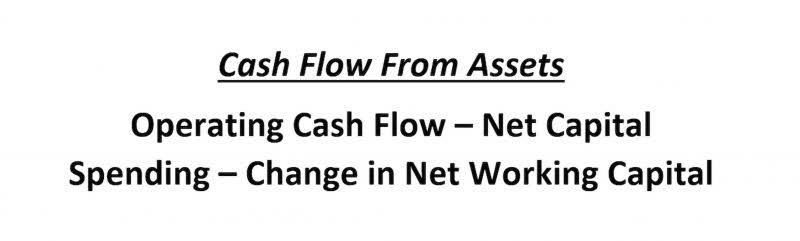
Dividing expenses by operating and overhead help to set prices accordingly and increase profit margins. Manufacturing operating expenses typically are comprised of machines, direct materials cost, direct labor Budgeting for Nonprofits hours and actual machine hours needed to manufacture a product. The cost of some of these items can vary based on the job or number of units produced and may require job-order costing or activity-based costing. The formula seems simple – total overhead costs divided by an allocation base like direct labor hours.
real estate saranda ksamil village albania


